
Congratulations! 2 CIBR PhD Students Win the 2026 Wu Rui Scholarship
On July 18, the recipient list of the 2026 Wu Rui Scholarship was officially announced. Thirteen doctoral students nationwide were awarded this prestigious honor, among whom are two researchers from the Chinese Institute for Brain Research, Beijing (CIBR): Hongyun Wang and Yixing Shi .

Hongyun Wang
A joint-training PhD candidate admitted in 2020 by Peking University and the Chinese Institute for Brain Research, Beijing (CIBR). He joined Dr. Ling Bai’s Laboratory in 2021 to conduct doctoral research, whose primary research direction lies in the neural coding mechanisms of interoception.
During his doctoral training, he systematically delineated the coding profiles and core signaling logic of heterogeneous brainstem neurons in processing feeding-related sensory inputs. He also innovatively identified a novel spinal cord-mediated pathway that transmits nutritional signals from the gut and hepatic portal vein to the brainstem. This discovery lays a critical scientific foundation for deciphering the coding mechanisms of interoceptive signals within the central nervous system. His relevant research findings have been published in Nature Neuroscience and Trends in Neurosciences.
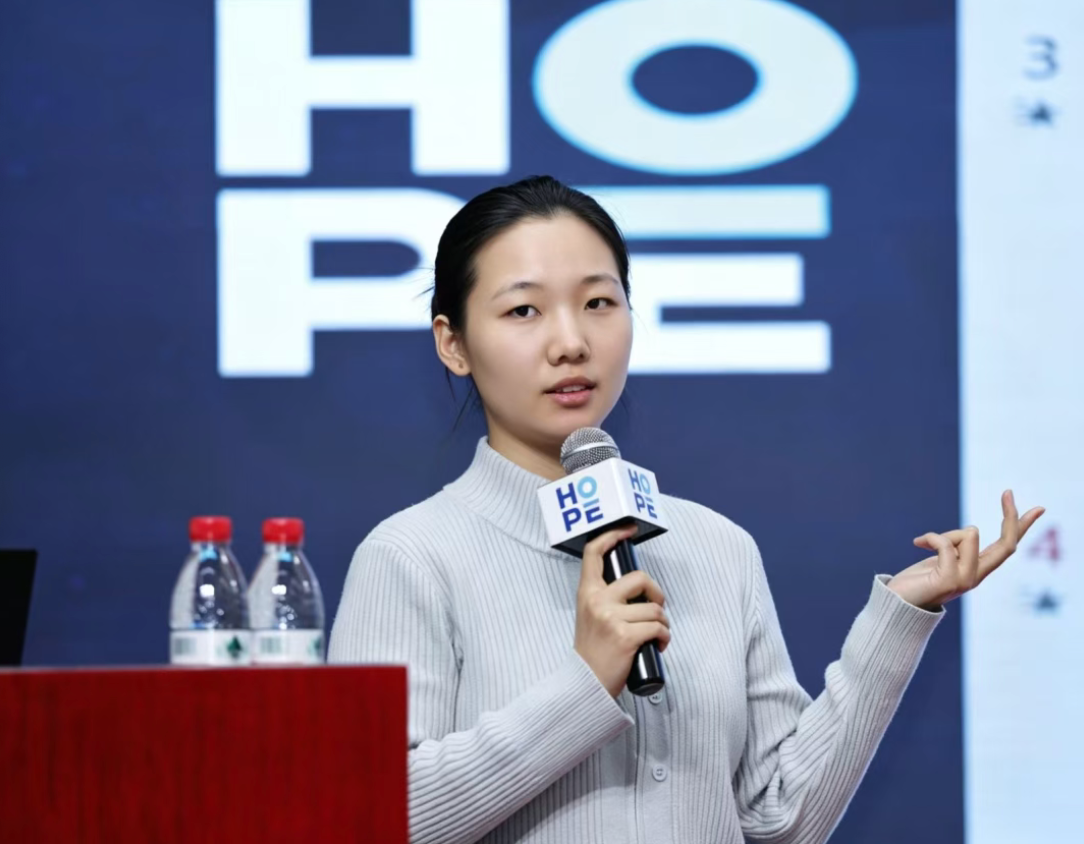
Yixing Shi
A Class-of-2026 PhD candidate admitted in 2020 at the School of Brain and Brain-Like Intelligence, Peking Union Medical College (PUMC). He joined Dr. Wei Shi’s Laboratory in 2021 to pursue doctoral studies. His research centers on the tumorigenic mechanisms of fusion genes associated with astroglioblastoma and the development of novel molecular diagnostic strategies, with the ultimate goal of advancing precision diagnosis and treatment for astroglioblastoma.
During his doctoral training, he systematically elucidated the oncogenic mechanisms of major fusion genes including MN1-BEND2 and MN1-CXXC5 in astroglioblastoma. He found that distinct fusion proteins share comparable DNA-binding profiles and transcriptional activation capabilities, converging to regulate common downstream oncogenic pathways. These fusion genes rely on the transcription factor OLIG2 to trigger aberrant differentiation and development in neural progenitor cells of the inhibitory neuron lineage. By directly binding to and activating key astroglioblastoma-related genes such as PDGFRA, they drive tumorigenesis.
In addition, leveraging the critical transcriptional regulatory function of the BD2 domain within the MN1-BEND2 fusion protein and its specific expression profile in peripheral tissues, he developed a monoclonal antibody targeting the BD2 domain of the BEND2 protein. This work delivers novel technical tools and research reagents for rapid, precise molecular diagnosis of astroglioblastoma. His relevant research findings have been published in Nature and Acta Neuropathologica.