Embracing Curiosity, Exploring the Unknown: CIBR Welcomes the Class of 2026
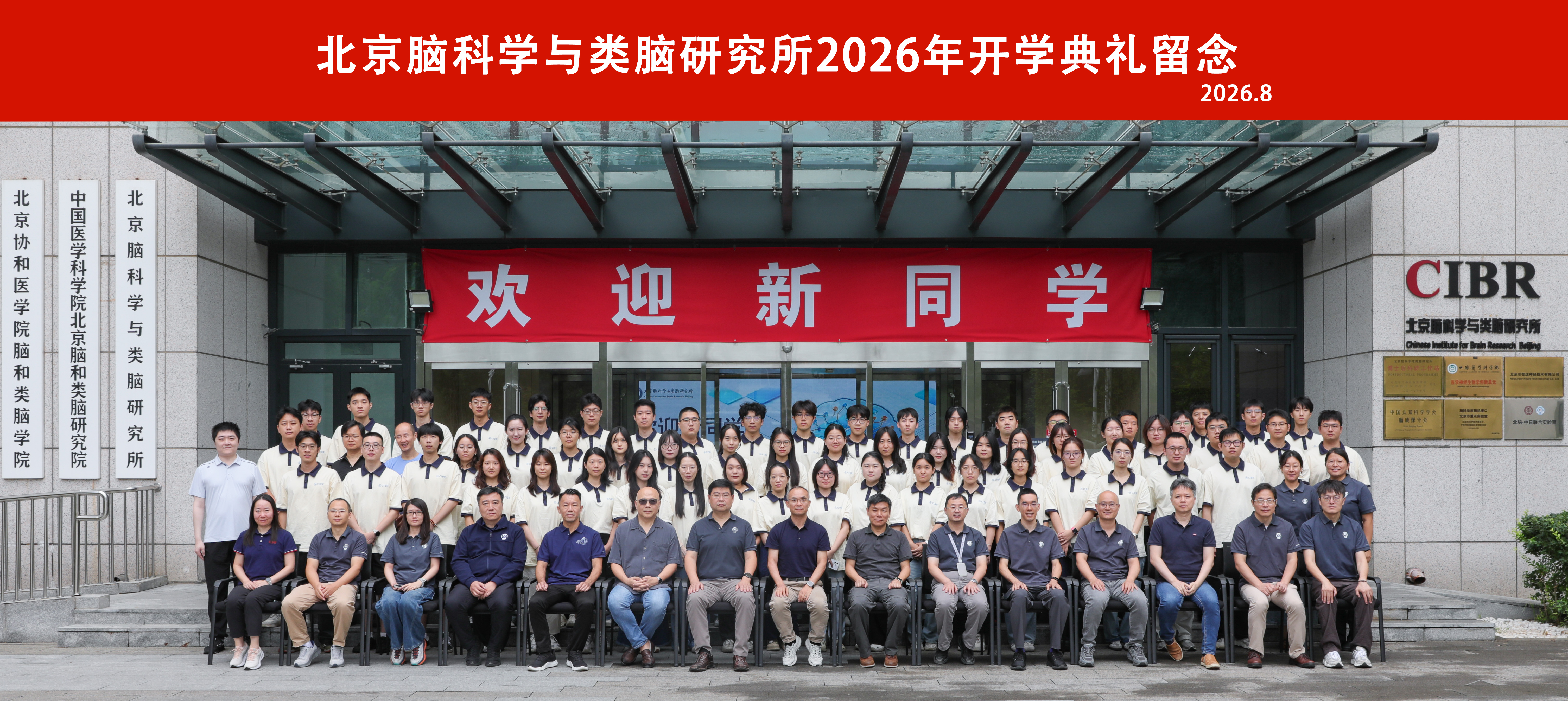
On August 26, the Chinese Institute for Brain Research, Beijing (CIBR) held its 2026 Opening Ceremony and Orientation Program, welcoming 61 new students from across China. The event marked the beginning of a new chapter in their academic and research journey in brain science.
The ceremony was chaired by Wei Xiong, a CIBR researcher and Chair of the Education and Training Steering Committee. More than 20 CIBR researchers, heads of technical platforms, and student counselors attended the event. CIBR Director Minmin Luo and faculty representative Yang Xiang delivered remarks, while senior student Yue Xu and new student representative Wenbo Hou shared their experiences and aspirations.
Beginning a New Chapter in Brain Science
Minmin Luo: Stay Curious, and Keep Going
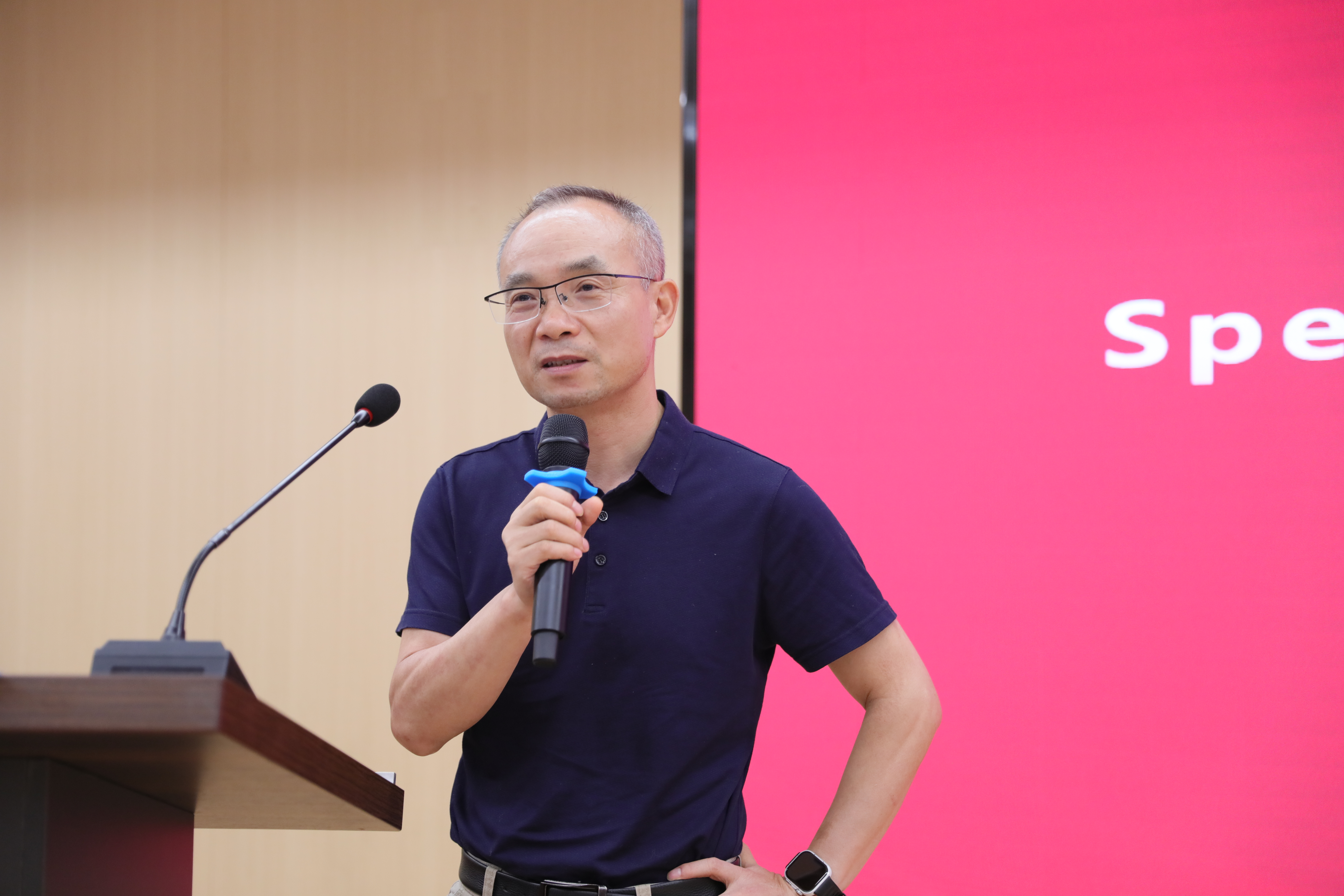
Minmin Luo, Director of CIBR, addresses the incoming students
Welcoming the new students on behalf of CIBR, Director Minmin Luo reflected on the rapid development of brain science and the opportunities and challenges facing the next generation of researchers. He encouraged students to maintain a rigorous and pragmatic approach to research, pursue questions that matter, and remain willing to explore the unknown. Curiosity, he noted, should extend beyond established knowledge to new technologies and emerging ideas. At the same time, meaningful scientific progress requires perseverance. Luo also emphasized the value of communication and collaboration. By engaging actively with mentors and peers, students can learn from different perspectives and advance through discussion and collaboration. Setbacks and unexpected results, he added, are an inherent part of scientific research and can become opportunities for learning when approached with patience, reflection, and persistence.
Yang Xiang: Think Independently, Work with Rigor
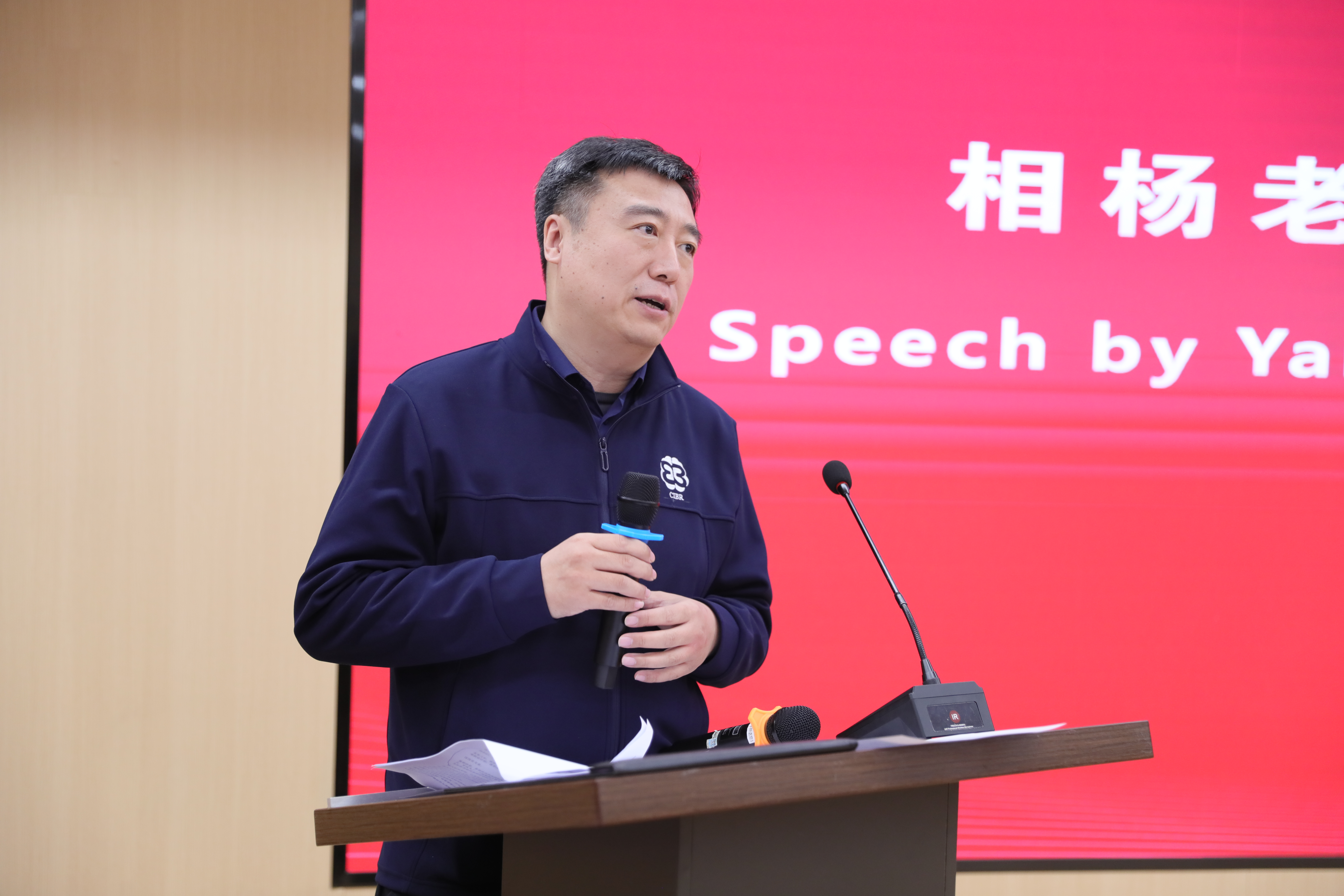
Yang Xiang, representing the faculty, addresses the incoming students
Drawing on his own research experience, Yang Xiang encouraged students to combine ambitious goals with careful attention to the details of everyday research. Every experiment and dataset, he noted, deserves to be approached with rigor. More importantly, researchers should develop the confidence to ask questions and test their own ideas. Unexpected results should not necessarily be dismissed as experimental failures; they may instead point to phenomena that warrant further investigation. Yang also highlighted the collaborative nature of modern scientific research. Respect for laboratory protocols, research integrity, colleagues, and shared research resources, he emphasized, are fundamental to becoming a responsible researcher.
Yue Xu: You Don't Have to Be Ready to Begin
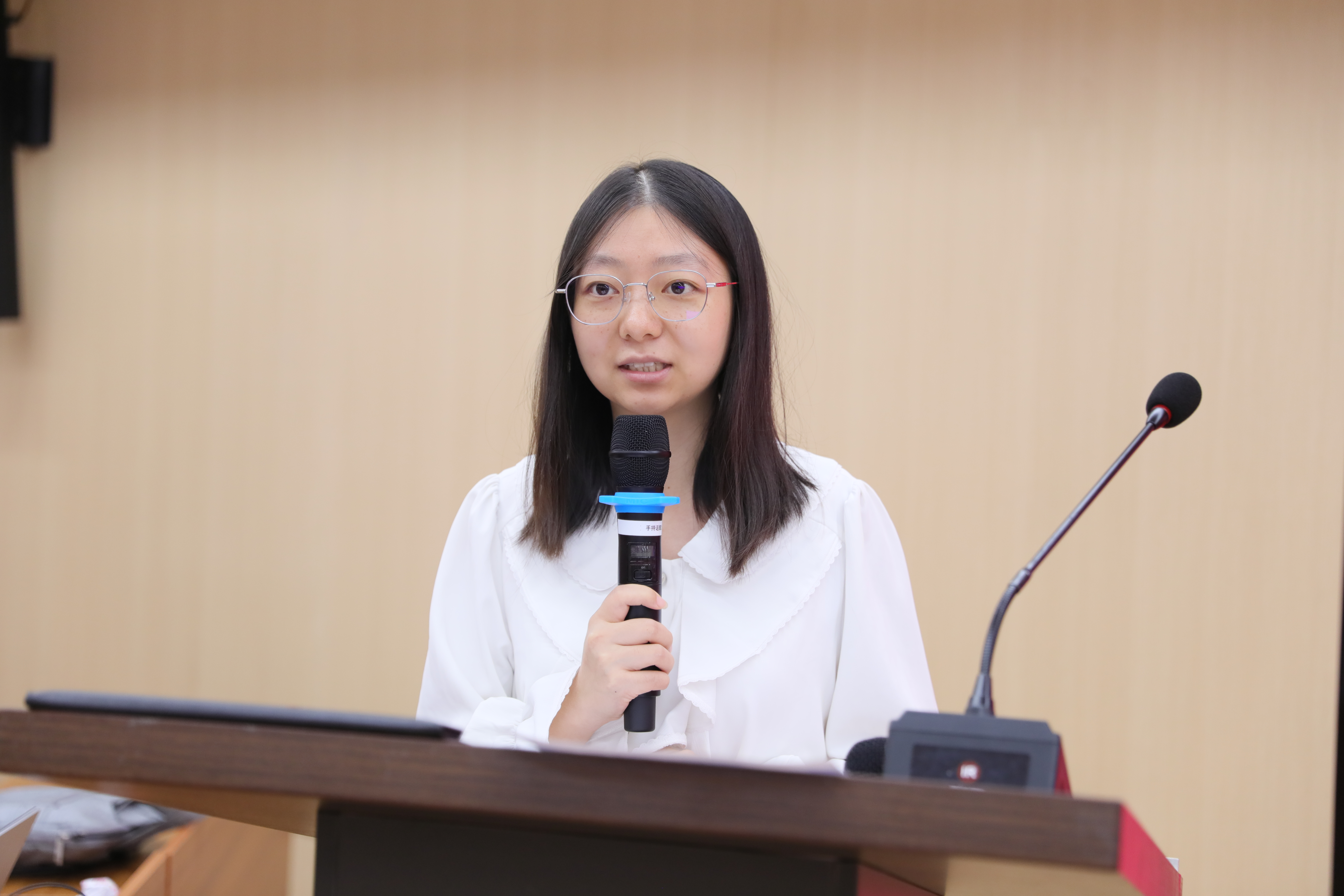
Yue Xu, representing the 2020 cohort, shares her experience
Senior student Yue Xu reflected on her years of study and research at CIBR and encouraged the incoming students to make the most of laboratory rotations as they explore potential research directions. She suggested that students seek advice from mentors and peers, while gradually developing a broader understanding of their fields of interest. Students should not be held back by the fear of making mistakes, she said. "Research allows for an imperfect beginning," and many of the skills needed for scientific research are developed through practice. Xu also shared her perspective on the growing role of AI in research and learning. AI tools can help students explore ideas and accelerate learning, she said, but should complement rather than replace independent thinking. Information generated by AI should be evaluated critically and verified before being relied upon.
Wenbo Hou: A New Journey Begins

Wenbo Hou, representing the incoming students, shares his reflections
New student representative Wenbo Hou shared his journey to CIBR—from participating in a winter training program and completing an internship at the Institute to ultimately choosing CIBR for his doctoral studies. He said that CIBR's open academic environment and cutting-edge research have strengthened his determination to pursue brain science here. Representing the incoming class, Hou expressed his commitment to making the most of the opportunities ahead, staying true to his aspirations in science, and contributing to the exploration of the brain's mysteries.
Orientation: Taking the First Step
To help the incoming students adapt to their new environment, CIBR organized an orientation program following the opening ceremony. The program provided guidance on academic development, research training, and practical aspects of student life, while addressing questions that students may encounter as they begin their studies at the Institute.
More than ten CIBR researchers, including Honorary Director Yi Rao and Deputy Director for Academic Affairs Yihong Ye, met with the incoming students to introduce their respective laboratories, research directions, representative work, and team characteristics. They also discussed topics of particular interest to the new students, including laboratory selection and collaboration, research training, literature reading, and experimental techniques. These exchanges offered students valuable perspectives as they explored potential research directions and planned their academic and research development at CIBR.
During the discussions, Yi Rao drew on his extensive experience in scientific research and graduate education to share his reflections on scientific training and academic growth. He described CIBR as a "hidden pearl"—an institution that has cultivated a strong research foundation through years of dedicated effort. He encouraged students to make full use of CIBR's high-quality research platforms and open academic environment, and to seize the opportunities created by the rapid development of brain science. Rao also encouraged students to develop a deeper understanding of themselves and identify the research directions they are genuinely passionate about. Through continued exploration, he urged them to develop their own scientific perspectives and research styles, and to have the courage to venture into the unknown frontiers of scientific research.

Yi Rao, Honorary Director of CIBR, speaks with the incoming students
The orientation program also included practical training provided by CIBR's administrative and technical teams. The administrative team introduced laboratory management procedures, safety requirements, network services, and dormitory facilities. Heads of technical platforms introduced the Institute's major instruments and shared research resources, as well as booking procedures and usage guidelines. Together, these sessions helped the incoming students become familiar with CIBR's research environment and resources, preparing them for the work ahead.
The arrival of 61 new students brings new energy and perspectives to CIBR. As they begin their research journeys, they will work alongside mentors and peers to explore fundamental questions in brain science—through experiments, discussions, and continual reflection.
For these new researchers, the journey has only just begun. CIBR looks forward to supporting their growth as they explore the frontiers of brain science and develop their own contributions to the field.