Postdoctoral Researcher Opportunity: Join the Rong Gong Lab at CIBR.
Postdoctoral Position at the Gong Rong Laboratory, Beijing Brain Research Center (CIBR)
The Gong Rong Laboratory at the Beijing Brain Research Center (CIBR) is now recruiting postdoctoral researchers to join our research program.
About the Laboratory
The Gong Rong Laboratory focuses on the neural mechanisms of plastic feeding behavior and the influence of internal energy states on cognitive behavior. Feeding behavior in higher animals is highly flexible; in this context, feeding is not merely a simple instinctive behavior but an acquired, plastic behavior closely linked to higher cognitive functions such as learning and memory. Using mice as a model organism, the laboratory employs a multidisciplinary approach integrating biology, computer science, mathematics, and electronic engineering to address how the brain determines what we eat each day, how much we eat at each meal, and how long we wait between meals. The ultimate goals are to provide theoretical guidance for establishing healthy eating habits in humans and to offer therapeutic strategies for metabolic diseases such as obesity and diabetes. For more details about the laboratory, please visit: https://www.cibr.ac.cn/science/team/detail/792 and the lab website: www.gong-lab.org.
About the Principal Investigator
Rong Gong (Principal Investigator at CIBR, Doctoral Supervisor) received her Ph.D. in 2012 from the National Institute of Biological Sciences (NIBS) and Peking Union Medical College, where she studied the regulation of locomotor behavior by membrane protein receptors on midbrain dopamine neurons. From 2013, she conducted postdoctoral research at the Janelia Research Campus of the Howard Hughes Medical Institute (HHMI) in the United States, under the supervision of Dr. Scott Sternson, focusing on the integrated regulatory mechanisms of feeding and drinking behavior. Her research results were published as first author in Science and Cell. She joined CIBR as a Principal Investigator in 2022 and established her research team.
Position and Requirements
Postdoctoral Position | Systems Neuroscience Research on Brain–Body Interaction
The laboratory is now recruiting postdoctoral researchers to conduct systems neuroscience research centered on brain–body interaction.
Our research focuses on how the brain perceives and integrates physiological signals from within the body, and how it regulates bodily states through learning, neural circuits, and behavior. The laboratory places particular emphasis on feeding, interoception, learning and motivated behavior, and aims to further understand the bidirectional information exchange between the brain and peripheral organs, as well as the underlying neural mechanisms.
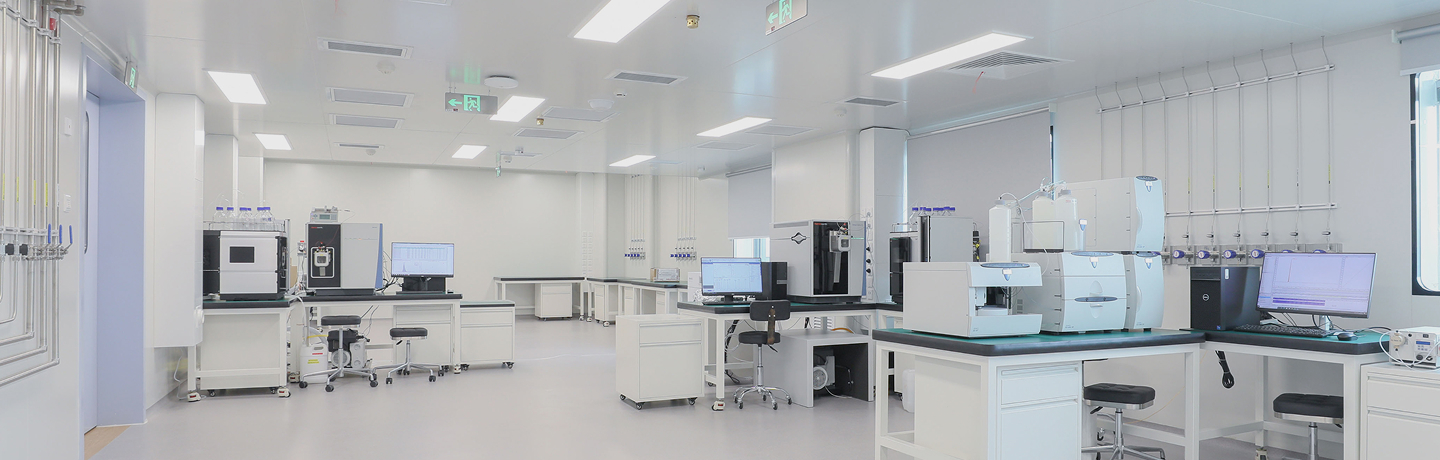
The laboratory is equipped with a comprehensive systems neuroscience research platform. Key techniques include in vivo two-photon calcium imaging, Neuropixels high-density electrophysiological recording, spatial transcriptomics, neural circuit tracing and manipulation, optogenetics, chemogenetics, and quantitative behavioral assays. These are combined with molecular biology, computational analysis, and peripheral physiological measurements to study the neural mechanisms of brain–body interaction at multiple scales.
Postdoctoral researchers will independently develop and advance original research projects aligned with the laboratory's overall research directions. The laboratory fully supports the professional development of postdoctoral researchers, including encouraging and supporting applications for various postdoctoral and early-career talent funds, participation in international academic conferences, domestic and international collaborations, and the gradual development of an independent research direction.
Requirements
1. A Ph.D. in neuroscience, biology, medicine, biomedical engineering, or other related fields, or equivalent research training experience;
2. Solid research training and the ability to independently conduct scientific research, including the capacity to participate in or independently complete experimental design, experiment implementation, data analysis, and manuscript writing;
3. Research experience in systems neuroscience, in vivo imaging, electrophysiology, neural circuits, quantitative behavioral analysis, or computational analysis is preferred, but applicants are not required to master all techniques in the laboratory;
4. Strong interest in brain–body interaction, interoception, learning and motivated behavior, feeding, and related neural mechanisms;
5. Good communication skills and a spirit of teamwork, willingness to communicate and share knowledge, and the ability to actively participate in the laboratory's academic discussions and collaborations.
Compensation and Benefits
1. Competitive salary based on the applicant's research experience and abilities; specific terms to be discussed individually;
2. Social insurance and housing fund (五险一金), supplementary medical insurance, annual physical examination, paid annual leave, and other benefits in accordance with relevant regulations;
3. Assistance with applying for Beijing household registration (hukou) for those who meet relevant policy conditions.
Work Location
Building 3, No. 9 Science Park Road, Zhongguancun Life Science Park, Changping District, Beijing
How to Apply
Application Materials
1. Curriculum Vitae — including educational and research experience, published or forthcoming papers, and research projects participated in or led;
2. Cover Letter — briefly introducing your research background, research interests, and the research directions you wish to pursue in the future;
3. Reference Letters — 2–3 expert reference letters will be required after the initial interview.
Contact
Please send your application materials to: gongr(at)cibr.ac.cn