Postdoctoral Researcher Opportunity: Join the Jing Cai Lab at CIBR.
About the Laboratory
Language is the fundamental engine of human communication, allowing us to share complex thoughts, build cohesive societies, and connect with one another. For patients who lose the ability to speak due to severe neurological conditions like aphasia or ALS, restoring a reliable way to communicate is essential to breaking their isolation and returning their voice. While state-of-the-art English speech BCIs starts to allow individuals with severe paralysis to communicate via digital screens and text-to-speech synthesizers at conversational speeds, a comparable system for Mandarin Chinese does not yet exist. Meanwhile, we have yet to fully decipher the precise neural support that drives natural, day-to-day language production and comprehension.
1. Developing a Mandarin Speech BCI
Our primary engineering goal is to pioneer high-precision speech neuroprostheses optimized specifically for Mandarin Chinese. Decoding Mandarin presents unique challenges that do not exist in non-tonal languages like English: Mandarin relies on precise tonal variations, features a dense concentration of homophones, and depends heavily on contextual cues. Our lab leverages highly unique single-neuron recordings, advanced AI decoding models, and LLM-powered error correction. By unifying these technologies, we aim to transition Mandarin speech BCIs out of laboratory tasks and into robust, real-world clinical utility.
2. Uncovering the Neural Mechanisms of LanguageOptimizing advanced BCIs relies heavily on understanding the precise neural patterns during human speech. Our lab explores how the brain computes and organizes language in real-world settings. Beyond answering a profound scientific question about human cognition, these insights provide the foundational framework required to build smarter, more intuitive clinical decoders.
About the Principal Investigator
Dr. Cai received her Ph.D. from the University of Pennsylvania and held appointments as a Research Instructor and Postdoctoral Fellow at Harvard Medical School and Massachusetts General Hospital. Her research integrates human intracranial neural recordings with advanced artificial intelligence models to develop speech brain–computer interfaces and to reveal the neural coding mechanisms underlying human language. Her research has been published in journals including Nature, Science, and Nature Communications.https://en.cibr.ac.cn/teamDetail/cibrTeamteam/c31cb1be2bd04583aa0806872bee95e9/JingCai
Position and Requirements
Postdoctoral Position
Major requirements:Electronic Engineering, Computer Science, Applied Mathematics, Neuroscience, Physics, Psychology, etc.
Application requirements:
1. Ability to independently design and execute research projects, conduct rigorous scientific investigations, and effectively address research challenges.
2. An open and inquisitive academic mindset, with enthusiasm for interdisciplinary research and a proactive approach to research grant applications and academic collaboration.
3. Ability to independently write scientific manuscripts and present results in international academic settings.
4. Strong analytical and problem-solving skills, along with the ability to work collaboratively and contribute effectively to the successful execution of team projects.Preferred Qualifications: Prior experience in single-neuron electrophysiological recording and data analysis, as well as experience in large language model development and machine learning applications in research.
Job responsibilities/ job description:
1. Independently develop and conduct research aligned with the lab’s research directions, including but not limited to neural signal acquisition, decoding algorithm development, investigation of the neural mechanisms underlying speech representation, large language model training, and continual learning algorithms for online neural decoding systems.
2. Drive research projects from conception to completion, including formulating scientific questions, designing experiments, collecting and analyzing data, and disseminating research findings. Proactively identify new research opportunities and translate innovative ideas into research projects.
3. Provide research guidance to PhD students, master’s students, and technical staff, including discussing research ideas, advising on experimental design, and promoting rigorous and reproducible practices in coding and data analysis.
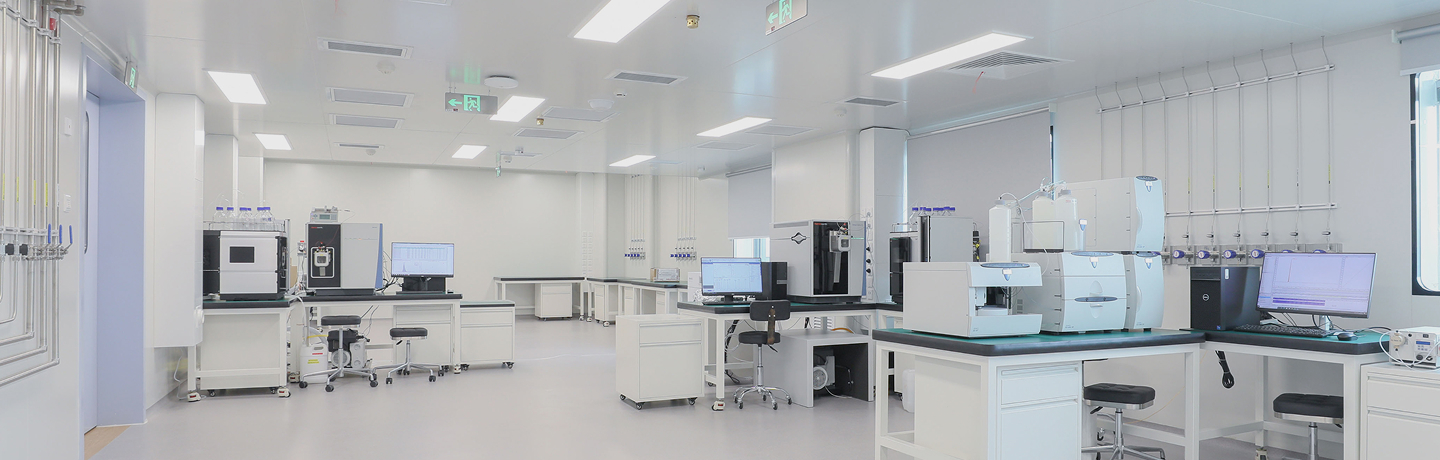
4. Contribute to the development, operation, and maintenance of the laboratory’s electrophysiology research platform.
5. Publish high-quality research papers in leading academic journals as first or corresponding author, and pursue other significant research outputs, including invention patents and open-source software.
6. Present research findings at major domestic and international academic conferences and actively engage with the broader research community to enhance academic visibility and impact.
7. Adhere to laboratory policies and procedures and uphold the highest standards of research integrity and academic ethics.
8. Other research-related duties as assigned by the principal investigator (PI).
Compensation and Benefits
1. Competitive salary based on the applicant's research experience and abilities; specific terms to be discussed individually;
2. Social insurance and housing fund (五险一金), supplementary medical insurance, annual physical examination, paid annual leave, and other benefits in accordance with relevant regulations;
3. Assistance with applying for Beijing household registration (hukou) for those who meet relevant policy conditions.
Work Location
Building 3, No. 9 Science Park Road, Zhongguancun Life Science Park, Changping District, Beijing
How to Apply
Application Materials
1. Curriculum Vitae (CV): Include educational background, professional experience, publications, awards, and honors.
2. Research Summary: Provide a brief overview of your primary research focus during your PhD, the key scientific questions addressed, and your major research contributions and achievements.
Contact
Please send your application materials to Minrui Hu at huminrui@cibr.ac.cn